


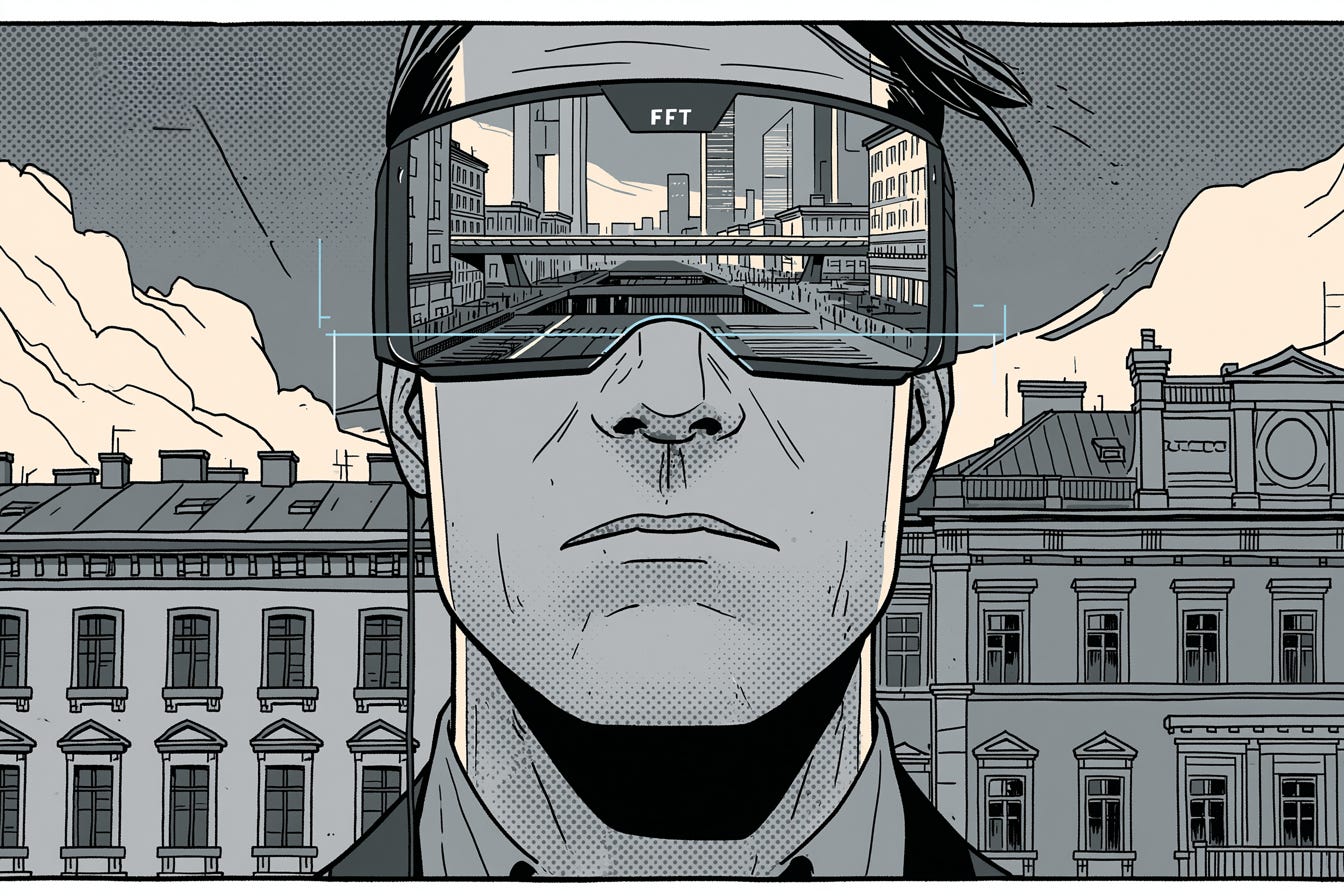
Buildings are planned to last for decades.
The assumptions behind them often do not.
On large capital projects, technology, user behavior, operating models, and business conditions can change faster than the building can be planned, designed, permitted, and constructed. By the time a project opens, some of the assumptions embedded in its brief may already be obsolete.
That is not a design problem in the conventional sense.
It is a typology risk problem, or the strategic risk created when long-lived physical assets are designed around assumptions that change faster than the assets themselves.
Form Follows Tech exists to help leaders identify those assumptions earlier, understand how technology is reshaping building typologies, and reduce the risk of committing capital to the wrong program, infrastructure, operating model, or user experience.
I call this discipline Typology Strategy.
Who Form Follows Tech is for
Form Follows Tech is for the person inside an organization who can see that the future is changing — perhaps faster than the project can be delivered.
You may work in technology, operations, capital planning, development, investment, innovation, architecture, engineering, or design. Your title matters less than the way you think.
You see that digital systems are not accessories added after the important decisions have been made. They increasingly determine how organizations operate and how people move, work, learn, travel, buy, gather, and experience physical space.
You may also see something others do not yet see: the organization is preparing to build tomorrow’s facility around yesterday’s assumptions.
FFT is designed to give you a clearer way to explain that risk.
The insight that changed architecture for me
My understanding of this problem began while working on the new Hamad International Airport in Doha.
I had moved to Qatar as a project architect on one of the largest and most technologically complex airport programs in the world. Early in the project, I was asked to take responsibility for “special systems”—the broad collection of digital, communications, security, operational, and passenger-processing systems required to make a modern airport function.
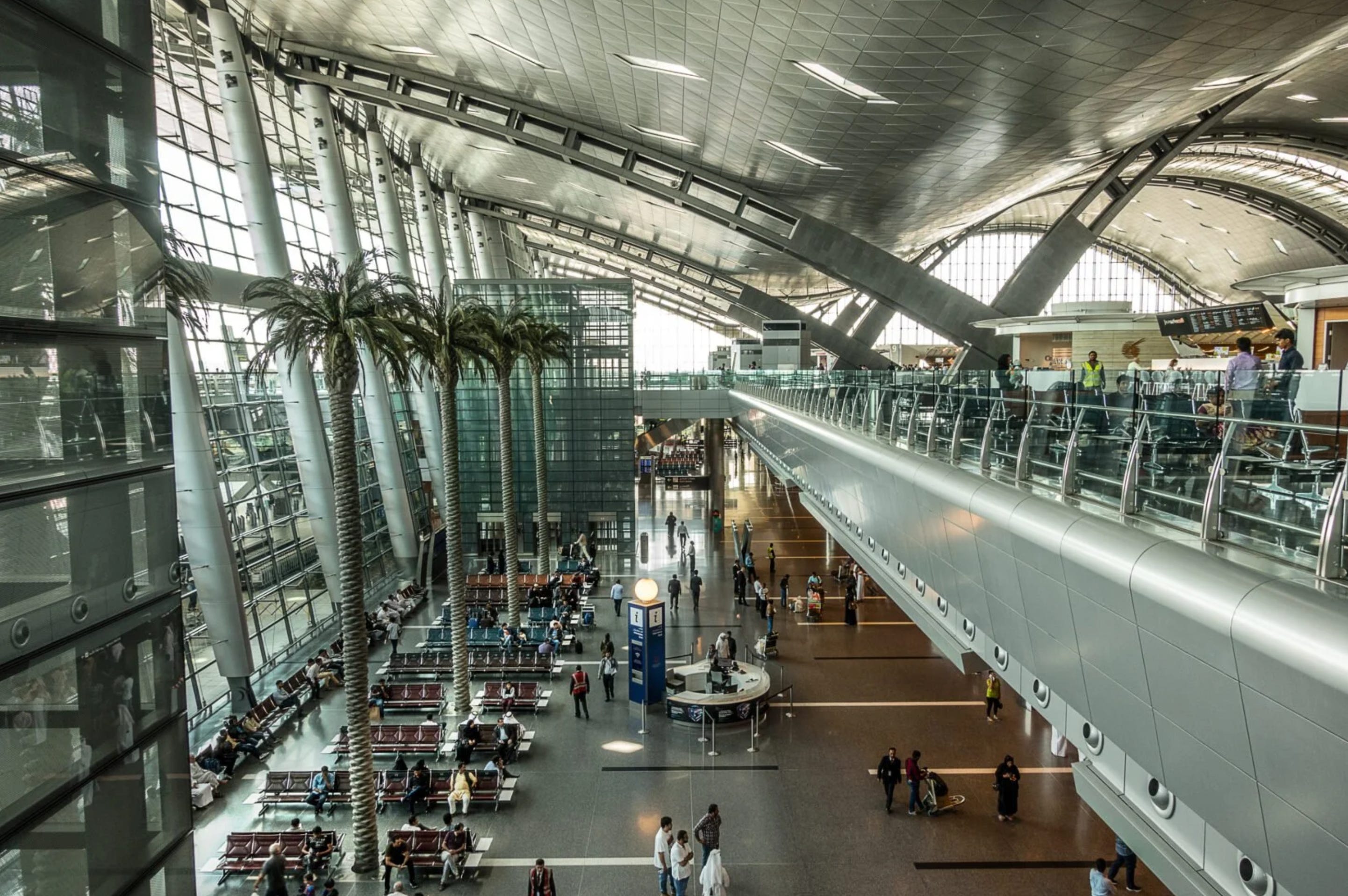
At first, my role was largely architectural. I worked to integrate visible devices into ceilings, walls, counters, and public spaces. Over time, the work expanded. I became involved in operations centers, system interfaces, technical coordination, and the digital infrastructure behind the airport’s operation.
Eventually, I understood something that permanently changed the way I thought about architecture:
The airport could not open until its software and systems worked.
The glass, steel, concrete, baggage systems, bridges, lounges, and public spaces could all be substantially complete, but the airport was not operational without the digital layer. The physical architecture was necessary, but it was not sufficient.
The digital world trumped the physical world.
That condition is no longer unique to airports.
Hospitals depend on software, sensors, records, logistics systems, and connected medical equipment. Schools increasingly depend on digital platforms, learning systems, identity management, and data. Stadiums are judged not only by their seats and sightlines, but by connectivity, mobile ticketing, digital media, and the experiences that occur beyond the venue. Offices can be made more valuable — or less necessary — by collaboration technologies. Retail, transportation, hospitality, and urban life are all being reshaped by digital networks.
Every modern building now has a physical architecture and a digital architecture.
Ignoring either one produces an incomplete design.
Technology has always shaped architecture
The phrase “form follows technology” may sound like a contemporary reaction to software, AI, sensors, or smartphones.
It is not.
Technology has always shaped architecture.
Vitruvius begins his account of architecture with the discovery of fire. Fire brought people together. Gathering created social organization. Social organization created the need for shelter. People observed one another, improved their methods, and constructed better dwellings over time. In that origin story, architecture does not begin with aesthetics. It begins with technology, behavior, and human adaptation.
The pattern continues throughout architectural history.
Stone, arches, and concrete enabled new forms of civic and monumental architecture. Steel frames and elevators made the skyscraper possible. Industrial manufacturing changed housing, workplaces, cities, and construction.
We now live in an age where telecommunications, digital networks, and AI are changing the world on a seemingly daily basis.
Technology does not simply appear inside architecture. It changes what architecture is for.
When technology changes, behavior changes. When behavior changes, operating models and business models change. When those change, building typologies change.
That is the central belief behind Form Follows Tech.
The problem with the design brief
A design brief is not a neutral description of requirements. It is a collection of assumptions about the future.
It assumes how people will behave.
It assumes how an organization will operate.
It assumes which technologies will matter.
It assumes which spaces will remain necessary.
It assumes which processes will remain physical.
It assumes which activities will remain centralized.
It assumes which parts of the building will need to remain fixed.
Every room, system, circulation path, capacity calculation, and infrastructure decision is based on a theory about what will still be true when the building opens.
Some of those assumptions are well supported.
Some are inherited from precedent.
Some are politically convenient.
Some are based on the last project.
Some are never written down at all.
Those hidden assumptions can become the most expensive source of risk in a project.
A project can be delivered on budget, on schedule, and in accordance with the brief — and still be the wrong building.
What Typology Strategy is
Typology Strategy is the practice of questioning, visualizing, testing, and reinventing how building types create value before outdated assumptions become permanent capital decisions.
It is not an attempt to predict one definitive future. The future is too complex for that.
Typology Strategy instead asks:
What assumptions are shaping this building?
Which of those assumptions are most exposed to technological change?
What evidence supports them?
What happens if they are wrong?
Which decisions are expensive or difficult to reverse?
Where should the building remain adaptable?
What should be tested before capital is committed?
The goal is not certainty.
The goal is better decisions under uncertainty.
The Assumption Audit
The most practical expression of Typology Strategy is the Assumption Audit.
The audit identifies the major assumptions embedded in a building typology, design brief, capital plan, or project concept. It then evaluates those assumptions against factors such as evidence, uncertainty, impact, time horizon, and reversibility.
The purpose is not to declare every legacy assumption wrong.
Many assumptions will remain valid.
The purpose is to make them visible.
Once an assumption is visible, it can be examined, tested, challenged, monitored, or intentionally accepted.
That reduces the risk of allowing an inherited belief to quietly become concrete, steel, infrastructure, and sunk cost.
The audit turns strategy from an abstract discussion about “the future” into a practical design and capital-planning tool.
What FFT publishes
Form Follows Tech publishes recurring Typology Strategy Reports on major building typologies being reshaped by technology.
Each report examines:
the technologies and behavioral shifts affecting the typology;
the operating and business-model changes occurring around it;
the legacy assumptions most likely to be challenged;
the implications for programs, infrastructure, design, and user experience;
the opportunities for flexibility, adaptation, and new forms of value;
the risks of continuing to design around outdated models.
The reports provide depth.
FFT also publishes shorter essays, diagrams, executive briefs, and assumption extracts intended for faster consumption of the broader insights.
The objective is not simply to make people interested in the future. It is to help someone ask a better question before an expensive decision becomes difficult to reverse.
Why this matters now
Buildings are among the largest, longest-lived, and least reversible investments organizations make. Technology is moving in the opposite direction: rapidly, continuously, and often unpredictably. That mismatch creates a growing strategic risk.
A building may last fifty years.
A digital platform may change in five.
A user behavior may change in two.
An operating model may shift before construction is complete.
Future-proofing cannot therefore mean predicting the exact technology that will be used decades from now.
It must mean designing around uncertainty, identifying vulnerable assumptions, protecting reversibility, and ensuring the building can adapt as functions change.
Future-proofing begins before design.
It begins with questioning the un-questioned assumptions in the design brief.
Start here
Begin with the latest Assumption Audit to understand how the research translates into a practical method for immediate relief for a design brief.
Then explore a Typology Strategy Report to get into the details of each report’s thesis, questioned assumptions, new business models, new typologies, and the Innovation Architect Action Brief for more concrete guidance on future-proofing.
The earlier essays explain the foundations of the work: why digital systems have become inseparable from architecture, why technology changes typologies, why architects must become master integrators, and why design-only thinking is no longer enough.
Form Follows Tech is for people who believe the future should be examined before it is embedded in a building.
Because buildings are too expensive to get wrong.
And great design starts with a tech strategy.